




Understanding Qoghundos: An Introduction to the Dish
Qoghundos is a traditional dish that finds roots in the rich culinary heritage of Central Asia, primarily associated with various nomadic cultures. Often regarded as a staple food item, Qoghundos has gained popularity due to its unique flavor profile and nutritional benefits. The dish is usually savored during cultural festivities and communal gatherings, highlighting its significance within the social fabric of the communities that prepare it.
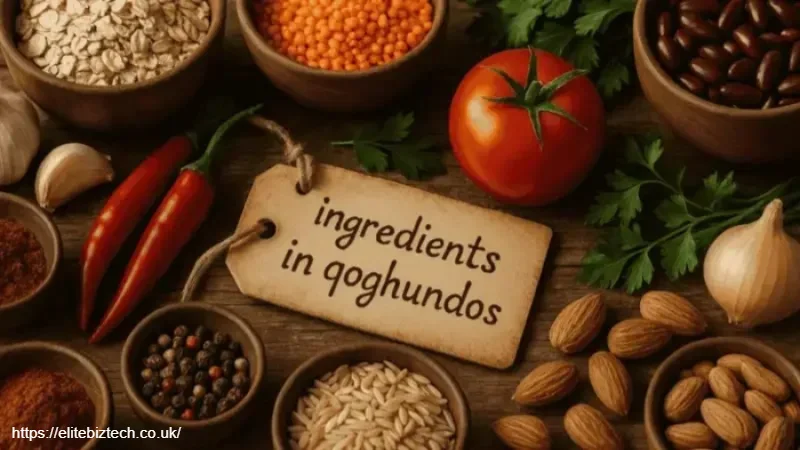
The preparation of Qoghundos typically involves a combination of simple, yet wholesome ingredients, which are essential to elevating the dish’s overall appeal. Commonly included ingredients often feature grains, legumes, and various meats, making it a well-rounded meal. These components not only contribute to the dish’s texture and taste but also play a crucial role in providing essential nutrients. By utilizing locally sourced ingredients, Qoghundos embodies the principle of sustainability, bridging the gap between ancient culinary practices and modern nutritional needs.
The cultural importance of Qoghundos cannot be understated; it serves as a symbol of hospitality and generosity. In many gatherings, dishes like Qoghundos are presented as a show of respect and camaraderie among guests. As the world continues to explore diverse culinary traditions, understanding the ingredients in Qoghundos is key to appreciating its depth. Examining these ingredients will open up discussions around their nutritional value and potential health benefits, ultimately addressing the question: are the ingredients in Qoghundos good?
Breakdown of Common Ingredients in Qoghundos
Qoghundos, a traditional dish known for its unique flavor profile, incorporates a variety of ingredients that contribute to its nutritional value and taste. A key focus in this dish is the quality of ingredients used. Commonly, Qoghundos includes staples such as ground meat, herbs, and spices, which not only enhance the flavor but also provide essential nutrients.
Firstly, the ground meat, typically beef or lamb, is a significant source of protein, essential for muscle repair and overall health. It also offers vital vitamins, such as B12, which play a crucial role in red blood cell formation and neurological function. Additionally, the presence of iron in red meat contributes to better oxygen transport in the body.
Secondly, fresh herbs such as parsley and coriander add vibrancy to Qoghundos, serving not just as flavor enhancers but as excellent sources of vitamins A, C, and K. These vitamins are important for maintaining a healthy immune system, facilitating wound healing, and promoting skin health. Furthermore, the inclusion of herbs provides antioxidants, which help combat oxidative stress in the body.
Spices like cumin and turmeric are also common in Qoghundos. Cumin has been associated with improved digestion and possesses anti-inflammatory properties. Turmeric, on the other hand, contains curcumin, a compound renowned for its potential health benefits, including antioxidant and anti-inflammatory effects.
Finally, grains like rice or bulgur often accompany Qoghundos, contributing carbohydrates essential for energy. These grains also provide dietary fiber, aiding in digestive health and promoting satiety.
Through this blend of ingredients, Qoghundos stands out not only for its taste but also for its health benefits. The thoughtful combination of protein, vitamins, minerals, and flavoring agents makes one wonder if the ingredients in Qoghundos are good for health; indeed, they are a wholesome choice when prepared thoughtfully.
Evaluating the Health Benefits: Are the Ingredients in Qoghundos Good?

In the exploration of the health benefits associated with the ingredients in Qoghundos, it is essential to examine both their potential advantages and any limitations. Many individuals seek answers to the question: are the ingredients in Qoghundos good for health? This inquiry requires a multifaceted approach, considering various nutritional components and their impacts on overall wellness.
The primary ingredients typically found in Qoghundos can include grains, nuts, seeds, and a variety of natural sweeteners, each contributing unique nutritional benefits. For instance, whole grains like oats or barley are known for their high fiber content, which supports digestive health and aids in maintaining a healthy weight. Nuts and seeds are often packed with essential fatty acids, protein, and vitamins, which can promote heart health and overall vitality.
Furthermore, many of the natural sweeteners used in Qoghundos, such as honey or maple syrup, contain antioxidants and have been linked to anti-inflammatory properties. These ingredients can enhance immunity and may provide a more health-conscious alternative to refined sugars. However, moderation is key, as excessive consumption of even the healthiest ingredients may lead to imbalances or adverse health effects.
While there is promising evidence from several nutritional studies that the ingredients in Qoghundos hold nutritional value, it is equally important to consider individual responses. Certain individuals may have allergies or intolerances to specific components, which could negate any health benefits. In conclusion, the answer to whether the ingredients in Qoghundos are good lies in their composition and the context of consumption. Ultimately, they can form a part of a balanced diet when consumed thoughtfully and in moderation.
Conclusion and Recommendations for Enjoying Qoghundos
In light of the discussion regarding the ingredients in Qoghundos, it is evident that they offer a variety of health benefits. The core components, which typically include grains, legumes, and vegetables, contribute not only essential nutrients but also promote a balanced diet. These ingredients are rich in proteins, fibers, and vitamins, making them a valuable addition to one’s meals.
To fully enjoy Qoghundos while maximizing its nutritional benefits, it is advisable to incorporate it into a balanced diet. Consider pairing Qoghundos with lean proteins such as chicken or fish to enhance the amino acid profile and to ensure a wholesome meal. Additionally, incorporating a variety of colorful vegetables can elevate both the nutrient density and the visual appeal of the dish.
When preparing Qoghundos, be mindful of portion sizes, especially if you are watching your caloric intake. A serving size that balances well with other food groups will help maintain overall dietary goals. Moreover, for those who may have dietary restrictions, such as gluten intolerance or aversions to certain legumes, adaptations can be made by substituting specific ingredients to maintain the essence of Qoghundos while accommodating individual health needs.
Furthermore, preparing Qoghundos in advance can be an efficient method to ensure its inclusion in your weekly meal planning. Bulk preparation of the base ingredients allows for quick assembly during busy weekdays, enabling easier consumption of nutritious meals. By being aware of these tips and recommendations, you can confidently enjoy Qoghundos while reaping the benefits presented by its ingredients.